11/30

  Focus:  Explain the difference between these two photos.


Objectives for the week:
  • Still Life #11
  • Photo Journal #4
  • Article Response (Google Classroom)
  • Holga & Diana project - 4 images  - 6"x 6" 300dpi layered "double exposure images"
Each image must have...
  1. light leaks 
  2. vignetting  
  3. at least 1 must be sepia toned

ClosureA photographer wants to take a picture of a woman at sunset.  The sun is behind the woman and she is facing the photographer.  What will be the likely result of this image?

11/29

Focus:  Read the "confessions" of different photojournalist. Write a one page response answering the question... Does a photographer have a responsibility to intervene? Why or why not? Use examples from the article in your response. Due Dec. 2rd (Friday)


http://www.theguardian.com/media/2012/jul/28/gutted-photographers-who-didnt-help


Objectives for the week:
  • Still Life #11
  • Photo Journal #4
  • Article Response (Google Classroom)
  • Holga & Diana project - 4 images  - 6"x 6" 300dpi layered "double exposure images"
Each image must have...
  1. light leaks 
  2. vignetting  
  3. at least 1 must be sepia toned


Closure: If you are taking pictures outside on a bright sunny day, what should you set your ISO to?

Holga & Diana Inspired


11/28

Focus: Check out this website with Holga images.  Which image do you find most interesting and why? 

Holga Website  


Objectives:
  • Holga & Diana project - 4 images  - 6"x6" 300dpi layered "double exposure images"
Each image must have...
  1. light leaks 
  2. vignetting  
  3. at least 1 must be sepia toned
  4. Photo Journal 7 (Due 12/3)

Closure:   Copy this definition into your google journal.

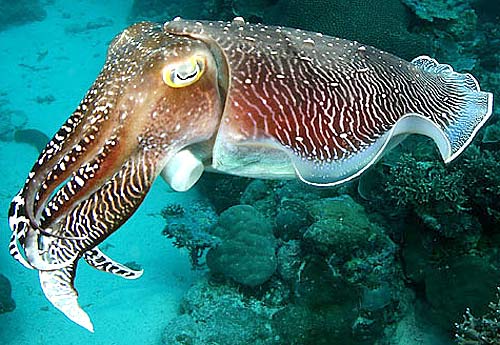
Sepia Tone - A reddish brown color derived from the ink sac of the cuttlefish.

11/22

Focus: Which image is taken with a slow shutter speed?

Left...................................................................Right

Objectives:

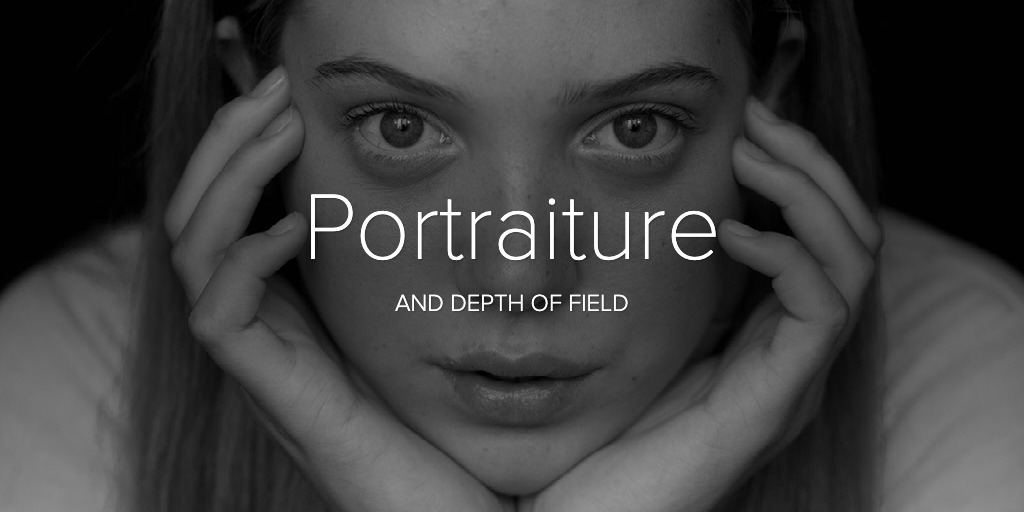
  • Portaiture (CS+6 Corrected - 3 of each person)
  • Today at 2pm is the last chance to turn in any assignments for MP1.

Closure: Examine zoom and how it effects depth of field.


11/21

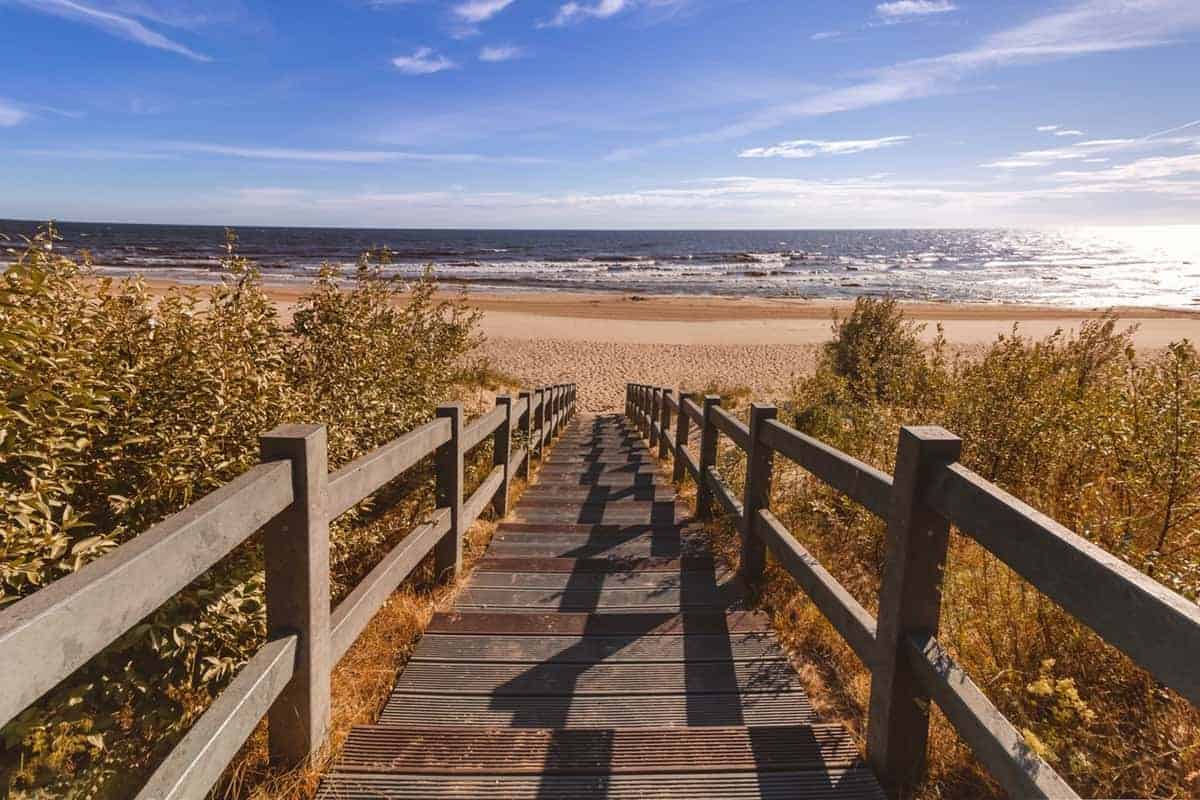
Focus: Choose an appropriate F-stop for this image. How To Shoot Truly Contagious Milky Way Pictures


Objectives:
  • Portaiture (CS+6 Corrected - 3 of each person)
  • Tuesday at 2pm is the last chance to turn in any assignments for MP1.

Closure: Choose an appropriate shutter speed for this image.

11/18

  Focus: Choose an appropriate F-stop for this image.


Objectives:
  • Still Life 9 (CS + 4 corrections)
  • Texture, Pattern, Line (CS+ 6 corrections)
  • Still Life #10 (CS + 4 corrections)

Closure: Choose an appropriate shutter speed for this image.

11/17

  Focus: Choose an appropriate F-stop for this image.


Objectives:
  • Still Life 9 (CS + 4 corrections)
  • Texture, Pattern, Line (CS+ 6 corrections)
  • Photograph Still Life #10 (CS + 4 corrections)

Closure: Choose an appropriate shutter speed for this image.

11/16

 Focus: In your own words, explain shutter speed.

Objectives:
  • Still Life 9 (CS + 4 corrections)
  • Texture, Pattern, Line (CS+ 6 corrections)

Closure:  Which photo was taken with 1/1000 of a second.


Quiz 11/15

11/15

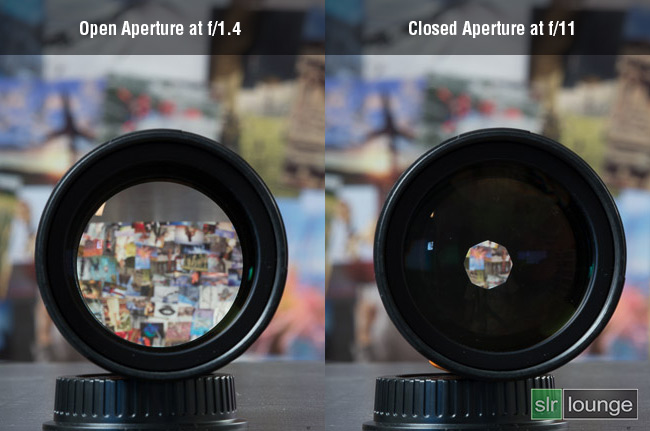
Focus: In your own words, explain Aperture and how it effects your image. (5:05 to see transition)


Objectives:
  • Take Quiz
  • Photograph Still Life 9 (CS + 4 corrections)
  • Texture, Pattern, Line (CS+ 6 corrections)

Closure: Which image was taken with an f16 aperture setting?
Image A
Image B

11/14

  Focus: Explain the ISO setting the relation to the image examples.


Objectives:
  • Texture, Pattern, Line (CS+6 corrected)

Closure:  In you own words, explain ISO settings and how it effects your image. Use the image below to help you answer the question.

11/4

 Focus: Match the photo with the appropriate aperture.


Image #1
Image #2 

Image #3

Objectives:
  • Photo Journal #3
  • Still Life 8 (CS + 4 corrected)
  • Quiz when we return on MONDAY!  Make sure your notes (Google Docs Journal) is up to date.


Closure: Review ways to control depth of field.
Depth of Field: it's more than just aperture | Boost Your Photography

How to use aperture to get a nice blur effect. The depth of field can make a picture go from normal to amazing. Try using this to better your photos, this website has a lot more helpful information. -JPH

[Aperture Vs. Depth of Field]  When you widen the aperture, the depth of field becomes shallower, and vice versa. That’s not all the Aperture does though, as it also affects the exposure. The DoF is also controlled by where you focus, and how far you are away from the subject.

11/3

 Focus: Which lens took this photograph?


Objectives:
  • Download images for Texture assignment before formatting your SD card.
  • Photograph Still Life 8 (CS + 4 corrected)
(Still Life Example from @parkerlanephoto)


Closure:  Could this lens take this picture?


Texture, Pattern, Line


11/2

Focus: Prepare your cameras for Still Life.

Objectives:
  • Photograph Still Life.
  • Download images if time allows.

Closure:  If your camera is set to f16, which picture would likely be the result of that setting?

Image A

Image B

11/1

 Focus:  Is this fast or slow shutter speed? 


Objectives:
  • Use today to complete & upload any work that still needs to be turned in.
  • Journal 3


Extra Credit - Experiment with Fast & Slow Shutter Speed.  Show contact sheets and 4 corrected. 

 (Feel free to print this picture and keep in your camera bag as a reminder!)